What Is Ciclismo?
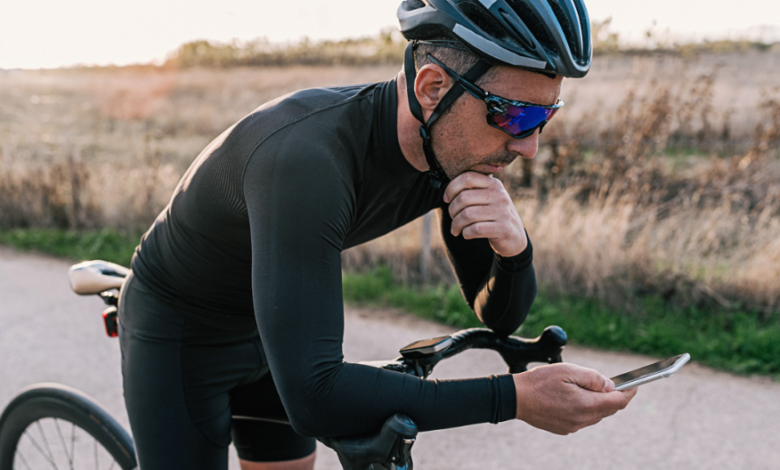
Ciclismo is the sport and activity of riding bicycles for recreation, transportation, fitness, or competition. It is one of the most accessible and widely practiced physical activities in the world. From casual riders to elite athletes, ciclismo welcomes people of all ages and skill levels.
At its core, ciclismo promotes endurance, strength, balance, and mental focus. Unlike many sports that require expensive facilities, ciclismo can be enjoyed on roads, trails, tracks, and even city streets. This simplicity has made it a global favorite for centuries.
History and Evolution of Ciclismo
The origins of ciclismo date back to the early 19th century when the first pedal-powered bicycles were introduced in Europe. As bicycle technology improved, cycling quickly evolved from a means of transport into a competitive sport.
By the late 1800s, organized races had become popular, leading to the creation of iconic events such as the Tour de France. Over time, ciclismo expanded into multiple disciplines, each with unique rules and styles. Today, it is governed internationally by the Union Cycliste Internationale (UCI), ensuring standardized competition worldwide.
See also: Container Homes: The Future of Eco-Friendly Housing
Types of Ciclismo
Road Cycling
Road ciclismo is the most recognized form, involving long-distance rides on paved roads. It focuses on speed, endurance, and strategy. Professional road races often cover hundreds of kilometers.
Mountain Cycling
Mountain ciclismo takes place on rough terrains such as hills, forests, and rocky trails. It demands technical skills, strength, and quick decision-making.
Track Cycling
Track ciclismo occurs on specially designed oval tracks. Races are fast-paced and highly tactical, often decided in seconds.
BMX Cycling
BMX ciclismo features short, explosive races on compact tracks filled with jumps and obstacles. It is popular among younger athletes and is an Olympic sport.
Health Benefits of Ciclismo
Ciclismo offers numerous physical and mental health benefits:
- Improves cardiovascular fitness
- Strengthens leg and core muscles
- Enhances joint mobility
- Supports weight management
- Reduces stress and anxiety
Regular participation in ciclismo can also lower the risk of heart disease and improve overall stamina. Because it is low-impact, it is gentler on joints compared to running.
Ciclismo as a Professional Sport
Professional ciclismo is a highly competitive field that requires years of training and discipline. Elite cyclists follow strict nutrition plans, structured workouts, and recovery routines.
International competitions attract millions of fans and generate significant economic impact. Events such as the Giro d’Italia and Vuelta a España highlight the cultural importance of ciclismo across different regions.
Essential Gear for Ciclismo
To practice ciclismo safely and effectively, riders need proper equipment:
- A well-fitted bicycle
- Helmet for head protection
- Cycling shoes for efficiency
- Gloves and padded shorts for comfort
- Reflective gear for visibility
Investing in quality gear improves performance and reduces injury risks.
Training and Skills Required
Successful ciclismo training focuses on:
- Endurance building
- Speed and power development
- Bike handling skills
- Mental toughness
Consistency is key. Beginners should start with short rides and gradually increase distance and intensity.
Safety Rules and Best Practices
Safety is essential in ciclismo. Riders should always obey traffic laws, wear protective gear, and remain alert to their surroundings. Group riding requires communication and awareness to prevent accidents.
Environmental Impact of Ciclismo
Ciclismo is one of the most eco-friendly activities available. It produces zero emissions and helps reduce traffic congestion. Many cities promote ciclismo as a sustainable transportation solution.
Learn more about cycling sustainability from the World Health Organization
Ciclismo for Beginners
New riders should focus on comfort and enjoyment rather than speed. Choosing the right bike and maintaining proper posture can make early experiences more enjoyable. Joining local cycling groups can also provide motivation and guidance.
Global Popularity of Ciclismo
Ciclismo is practiced worldwide, from Europe to Asia and the Americas. Its universal appeal lies in its adaptability to different cultures, landscapes, and lifestyles.
Common Myths About Ciclismo
- “Ciclismo is only for athletes” – False
- “Cycling damages knees” – Incorrect when done properly
- “It’s an expensive sport” – Can be affordable
Understanding these myths helps encourage wider participation.
Frequently Asked Questions (FAQs)
1. Is ciclismo suitable for all ages?
Yes, ciclismo can be adapted for children, adults, and seniors.
2. How often should I practice ciclismo?
Three to five times a week is ideal for health benefits.
3. Do I need professional training to start ciclismo?
No, beginners can start casually and improve over time.
4. Can ciclismo help with weight loss?
Yes, it burns calories and boosts metabolism.
5. Is ciclismo an Olympic sport?
Yes, several ciclismo disciplines are included in the Olympics.
6. What is the best terrain for beginners?
Flat roads or cycling paths are best for beginners.
Conclusion
Ciclismo is more than just riding a bicycle—it is a powerful combination of fitness, freedom, and sport. Whether pursued for health, competition, or sustainability, ciclismo offers lasting benefits for individuals and communities alike. Its accessibility and global reach make it one of the most impactful physical activities in modern society.